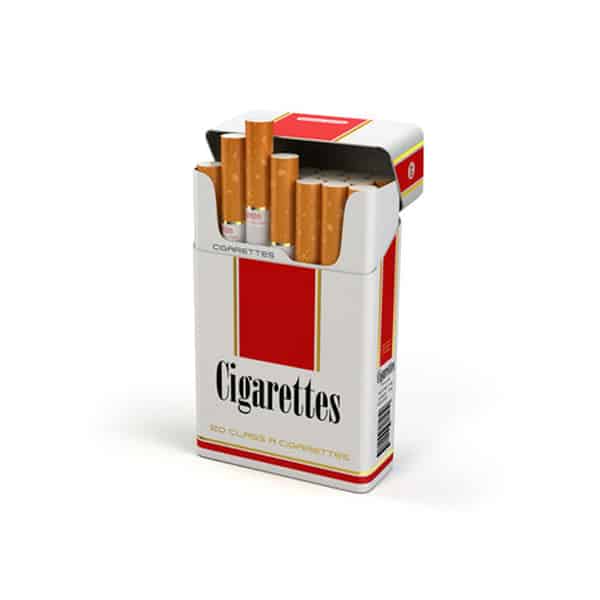
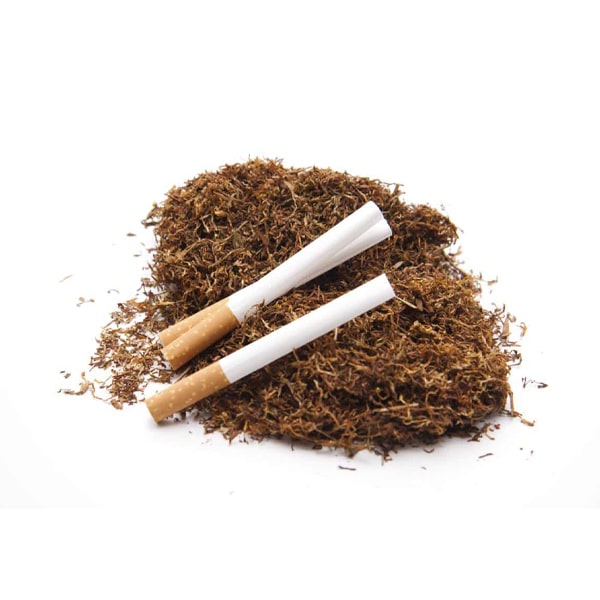
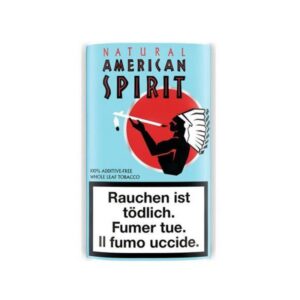
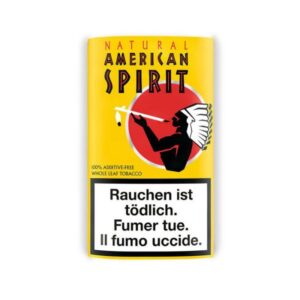
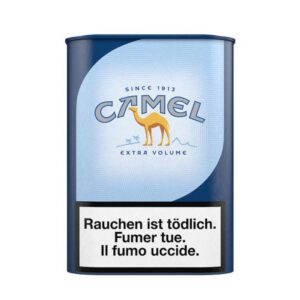
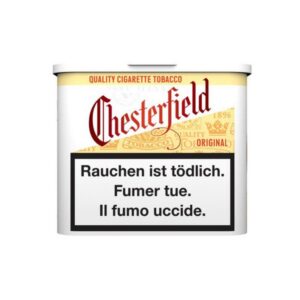
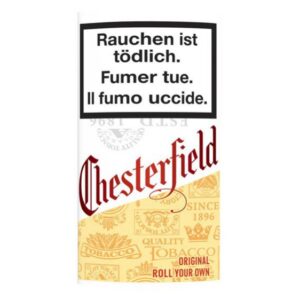
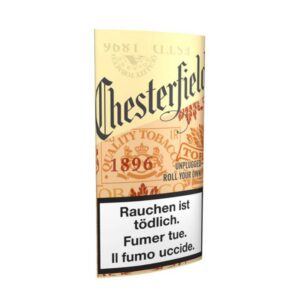
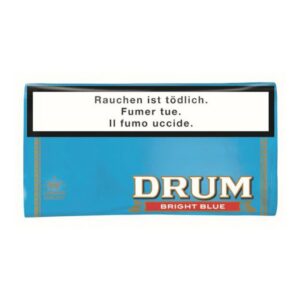
For many enthusiasts, loose tobacco offers a sensory depth that manufactured items cannot fully replicate. While ready-made products such as those found in our classic Cigarettes archive deliver convenience and uniformity, loose tobacco allows complete personalization — from burn rate and density to taste intensity and aroma expression.
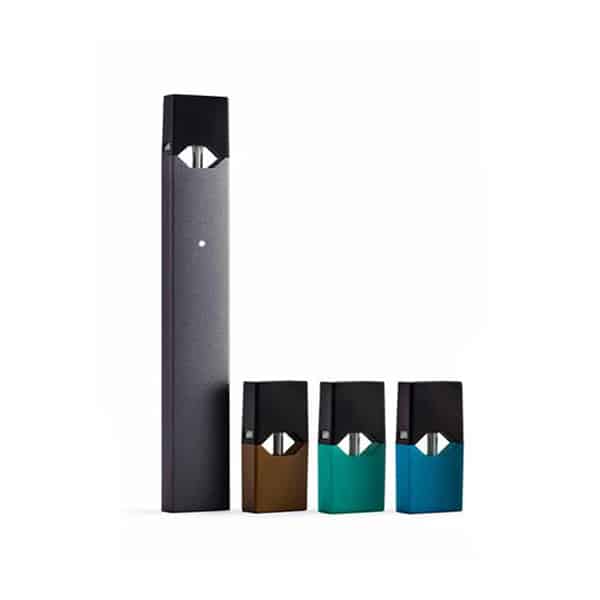
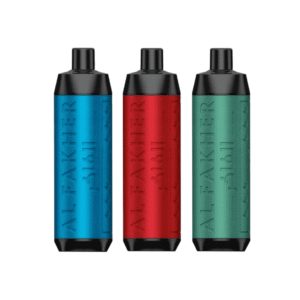
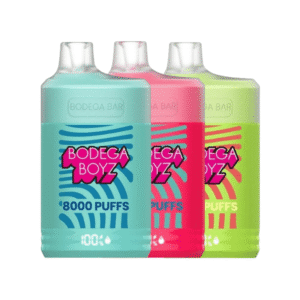
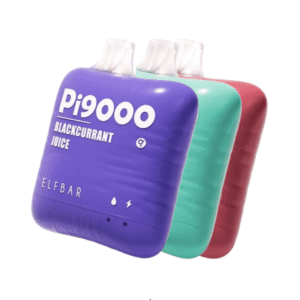
And for users familiar with modern nicotine formats — like the effortless devices featured in our disposable vape selection — loose tobacco often feels like a return to authenticity. It is tactile, aromatic, and grounded in tradition.
How Loose Tobacco Fits Into Today’s Nicotine Landscape
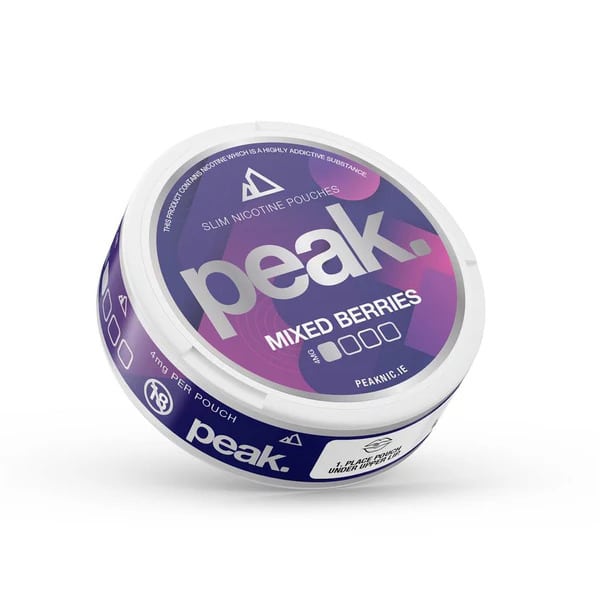
Even with the rise of vapor devices and smokeless solutions, loose tobacco maintains a loyal following. It offers control, identity, and a hands-on experience that digital or automated systems simply cannot mirror.
Comparing Loose Leaf With Heated Tobacco Products
Heated tobacco alternatives — particularly the structured offerings within our IQOS heatstick directory — create a cleaner, low-odor session. They appeal to users who want real tobacco flavor but prefer minimal smoke and straightforward operation.
Loose tobacco, by contrast, delivers a broader flavor spectrum: smoky, sweet, earthy, spicy. It behaves differently under heat and produces an unmistakably authentic aroma cherished by traditionalists.
Flavor Foundations — Understanding Leaf Profiles
Well-crafted tobacco blends often combine several leaf types to achieve balance:
• Virginia leaf — bright, naturally sweet, smooth burning
• Burley leaf — fuller body, slower burn, nutty undertones
• Oriental leaf — aromatic, spicy, rich in essential oils
The interplay between these varieties defines the character of the smoke, making each blend distinct.
To help users orient themselves, many compare loose blends to well-known manufactured styles. For example:
• The smooth, balanced character of Camel Filters mirrors some Virginia-dominant mixes.
• The mellow refinement associated with Davidoff Gold reflects precision-crafted leaf composition.
• The bold, full-bodied tone of Marlboro Red represents deeper, more robust flavor profiles.
These references help newcomers understand how loose blends compare to familiar cigarette counterparts.
When and Why Smokers Choose Roll-Your-Own
Rolling your own is more than a habit — for many, it’s a creative process.
Users choose it for:
• Customization: Adjusting strength, burn, density
• Economy: Less waste, more flexibility
• Aroma control: Pure leaf scent without additives
• Ritual: A deliberate, mindful preparation moment
In a fast-moving digital world, loose tobacco offers something rare — a pause.
Craftsmanship Behind a Good Tobacco Blend
Loose tobacco is not simply chopped leaf — it is the result of deliberate curing, aging, cutting, and blending. Each stage shapes the final aroma, burn rate, and character of the smoke. True enthusiasts recognize that every blend carries the fingerprint of the grower, the region, and the curing method.
Curing Methods That Define Flavor
Before tobacco is ready to be rolled, it undergoes one of several curing processes:
• Flue-curing brings out sweetness and bright color, perfect for smooth, mellow blends.
• Air-curing develops a deeper, earthier tone with a drier finish.
• Fire-curing infuses the leaf with rich smokiness, creating bold, intense profiles.
• Sun-curing preserves delicate aromatics, often found in oriental-style tobaccos.
These methods influence how a tobacco burns and how the flavor evolves from the first spark to the final draw.
Cut Size and Texture
The way tobacco is cut affects everything — airflow, heat distribution, and rolling ease. Finer cuts burn faster and create a more even smoke, while broader cuts provide cooler, longer-lasting sessions. Moisture levels also contribute to texture; a well-hydrated blend feels pliable, while a dry mix becomes sharper and more intense.
The Ritual of Roll-Your-Own Tobacco
For many users, rolling tobacco is a meditative practice. It’s tactile, unhurried, and personal. The aroma that rises when the pouch is opened, the feel of the leaf as it’s shaped, the rhythm of the roll — each step is part of a small tradition that machines cannot replace.
Personalization at Every Step
With loose tobacco, users control:
• Density — tighter rolls burn slower; looser rolls burn brighter.
• Shape — slim, wide, compact, conical — each creates a different draw.
• Burn characteristics — influenced by cut, moisture, packing style.
• Flavor expression — adjusting how the leaf heats within the paper.
This level of customization is impossible in pre-made products and is the primary reason many people remain loyal to RYO blends even with the rise of modern alternatives.
Tobacco as a Sensory Experience
Unlike vapor or smokeless formats, tobacco engages multiple senses at once. The initial crackle when ignited, the evolving aroma, the warmth of the smoke, and the interplay of sweetness and spice create a layered sensory journey.
Aroma Complexity
Loose tobacco offers aromatic notes that evolve as it burns — grassy, woody, nutty, smoky, sometimes even floral. These subtle transitions are one of the features that long-time enthusiasts appreciate most.
Physicality and Presence
Tobacco has weight, texture, color variations, and a living quality that changes with humidity and temperature. This organic nature appeals to those who prefer products that feel real, tangible, and crafted rather than synthetic or factory-controlled.
Modern Use Cases for Loose Tobacco
Even with the explosion of digital-era nicotine formats, loose tobacco remains relevant. Many people prefer it because it offers:
• Lower overall waste compared to disposable products
• A slower, intentional pace during use
• Greater flavor authenticity
• Adaptability — can be paired with different papers, filters, or techniques
It fits the lifestyle of individuals who appreciate mindful moments or who value taking control of their smoking experience rather than relying on pre-packaged solutions.