
How Americans Buy Nicotine Products Online Today: A Complete Guide
How Americans Buy Nicotine Products Online Today
Buying nicotine products online in the United States is no longer a simple extension of traditional tobacco shopping. Over the last decade, American consumers have moved from habit-based purchasing to a more structured, informed, and category-driven approach. Instead of choosing a brand first, users now evaluate formats, usage scenarios, and personal preferences before making a decision.
This shift explains why modern nicotine platforms are built around clarity and navigation rather than aggressive sales tactics. A well-structured platform like TobaccoBase is designed to help users understand their options first and choose products second.
This guide explains how Americans actually buy nicotine products online today, focusing on real decision-making logic rather than marketing language.
From Brand Loyalty to Category-First Thinking
For decades, nicotine consumption in the U.S. was driven by brand loyalty. Smokers selected a cigarette brand early and rarely changed it. Online access and new product formats have fundamentally altered this behavior.
Today, buyers usually begin with questions such as:
• Which nicotine format fits my lifestyle?
• Do I want smoke, vapor, or a smokeless option?
• How much convenience or maintenance do I want?
This is why categories now come before brands in the buying journey. Instead of scrolling through logos, users explore formats that align with how they plan to use nicotine on a daily basis.
Why Online Nicotine Shopping Works Differently in the USA
Choice Replaces Habit
Local stores rely on habit and limited shelf space. Online platforms, by contrast, give users time to compare, read, and reconsider. This environment encourages experimentation and category switching.
A cigarette smoker may explore alternatives, while a vape user may reconsider their setup based on convenience, availability, or long-term cost.
Information Drives Confidence
American buyers expect transparency. Clear descriptions, strength explanations, and usage guidance reduce uncertainty. Platforms that explain differences clearly tend to build more trust than those that rely on discounts or promotional language.
The Core Nicotine Categories U.S. Buyers Explore
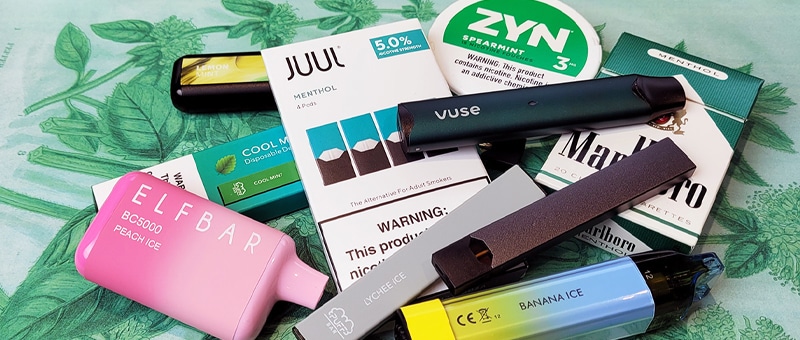
While the market is broad, most online purchasing behavior centers around a few key categories. Each serves a different purpose and attracts a distinct type of user.
Traditional Cigarettes as a Reference Point
Traditional cigarettes remain familiar and predictable. Even users who explore alternatives often compare new products to the cigarette experience they already understand.
This is why cigarettes are typically presented as a standalone category, such as Cigarettes, allowing users who value consistency to navigate without confusion.
Disposable Vapes and Simplicity
Disposable vapes are popular because they remove complexity. There is no setup, refilling, or long-term commitment. This appeals strongly to users who prioritize ease of use.
Many first-time online buyers explore disposables before moving into more advanced devices, which explains the demand for clearly organized sections like Disposable Vapes.
Heat-Not-Burn Products as a Transitional Format
Heat-not-burn systems appeal to users who want a ritual similar to smoking but with reduced smoke and odor.
These products often serve as a bridge between cigarettes and vaping.
Because they require more explanation, they are grouped separately, for example under IQOS Devices.
Closed Pod Systems and Predictability
Closed pod systems focus on controlled usage and consistency. Users who prefer predictable nicotine delivery without customization often gravitate toward this category.
A clear example is the dedicated JUUL section, where simplicity and reliability are prioritized over experimentation.
Lifestyle-Based Buying Behavior in the United States
Modern American nicotine users often choose products based on context rather than identity. The same person may use:
• one format during work hours,
• another while traveling,
• and a different option at home.
This flexibility explains why many experienced users no longer define themselves as smokers or vapers. Instead, they view nicotine as adaptable to different situations.
Online platforms that reflect this behavior feel more natural and trustworthy to U.S. audiences.
Trust Signals Matter More Than Price
Unlike many other e-commerce categories, nicotine buyers are highly sensitive to legitimacy. Clear structure, transparent explanations, and accessible support matter more than aggressive pricing.
Educational and support sections, such as Frequently Asked Questions, help establish confidence before any purchasing decision is made.
What This Means for the Rest of the Guide
Understanding how Americans buy nicotine products online today begins with recognizing category logic, lifestyle alignment, and trust-based navigation.
In the next parts of this article, we will examine:
• how users evaluate specific product details,
• why pricing differs across similar items,
• and how long-term usage patterns influence repeat purchases.
How Americans Evaluate Nicotine Products Before Buying
Once U.S. buyers understand the main nicotine categories, the next step in the online buying journey is evaluation. At this stage, users are no longer asking what nicotine product exists. Instead, they focus on which option within a category makes the most sense for their needs.
This evaluation process is driven by a combination of practicality, experience, and long-term expectations rather than impulse or branding alone.
Nicotine Strength as a Primary Decision Factor
Strength Means Different Things Across Categories
One of the most common mistakes new buyers make is assuming that nicotine strength works the same way across all formats. In reality, strength perception varies widely depending on delivery method.
For example:
• cigarette strength is often associated with taste and smoke density,
• vapes deliver nicotine through vapor absorption,
• smokeless products rely on oral absorption.
This is why users who want controlled intake increasingly explore smokeless options, especially modern nicotine pouches, which are structured clearly by strength and usage style. Dedicated sections such as Nicotine Pouches help users understand these differences without confusion.
Why “More Nicotine” Is Not Always Better
Experienced buyers learn that higher nicotine levels do not automatically mean better satisfaction. Comfort, consistency, and usability matter just as much. Many users actually reduce nicotine strength over time while maintaining satisfaction by choosing the right format.
Lifestyle Integration as the Key Retention Factor
Nicotine as a Background Activity
For many American users, nicotine becomes a background element rather than a focal activity. Products that integrate smoothly into workdays, travel, and social settings tend to remain part of long-term routines.
This explains why users often maintain multiple formats:
• one for home,
• one for work,
• and one for situations where discretion is required.
Rather than switching entirely, users build flexible systems that adapt to different environments.
Why Convenience Outweighs Novelty
Over time, novelty loses importance. Ease of use, predictable availability, and minimal disruption become the dominant factors in product choice. This is especially true for users who purchase nicotine products online regularly rather than occasionally.
Repeat Purchasing Behavior in the U.S. Market
Planning Replaces Impulse
Unlike first-time buyers, experienced users plan purchases in advance. They track usage, anticipate replacement needs, and avoid running out. This planning mindset shapes how users interact with platforms.
Clear navigation, reliable categorization, and transparent expectations all support this behavior and increase long-term satisfaction.
Trust Determines Where Users Stay
Once buyers find a platform that feels legitimate and well-structured, they are unlikely to switch without a clear reason. Trust is built through:
• accurate information,
• predictable availability,
• and professional presentation.
This is why understanding who operates a platform and how it is structured matters to long-term users. Informational sections such as About Us help reinforce credibility and transparency over time.
How Price Sensitivity Evolves With Experience
From Cheapest Option to Best Fit
New buyers often focus on price. Experienced users focus on value. Over time, buyers learn that:
• the cheapest option may require frequent replacement,
• while slightly higher upfront cost may offer better long-term efficiency.
This shift reflects growing confidence and familiarity with personal usage patterns.
Budgeting Becomes Predictable
Once habits stabilize, nicotine spending becomes predictable. Users incorporate purchases into regular budgets, reducing stress and uncertainty around future buying decisions.
Why Some Users Still Change Products After Years
Even loyal users occasionally reassess their choices. Life changes such as new work environments, travel frequency, or personal preferences can prompt adjustments.
Importantly, these changes are usually within categories, not radical shifts. Users refine rather than restart their nicotine journey.
The Bigger Picture of Online Nicotine Buying in the USA
Understanding long-term behavior completes the picture of how Americans buy nicotine products online today. The journey typically follows a clear path:
1. exploration of categories,
2. evaluation of options,
3. formation of stable habits.
Platforms that respect this progression and support users at every stage create lasting value rather than short-term transactions.
Final Thoughts
Online nicotine buying in the United States is no longer driven by impulse or brand recognition alone. It is shaped by lifestyle alignment, clarity, and trust.
By understanding how habits form and why loyalty develops, users can make more confident decisions — and platforms can focus on serving real needs rather than chasing trends.










Add comment
You must be logged in to post a comment.