Trust Signals in Legitimate US Tobacco Stores: How Buyers Identify Real Platforms
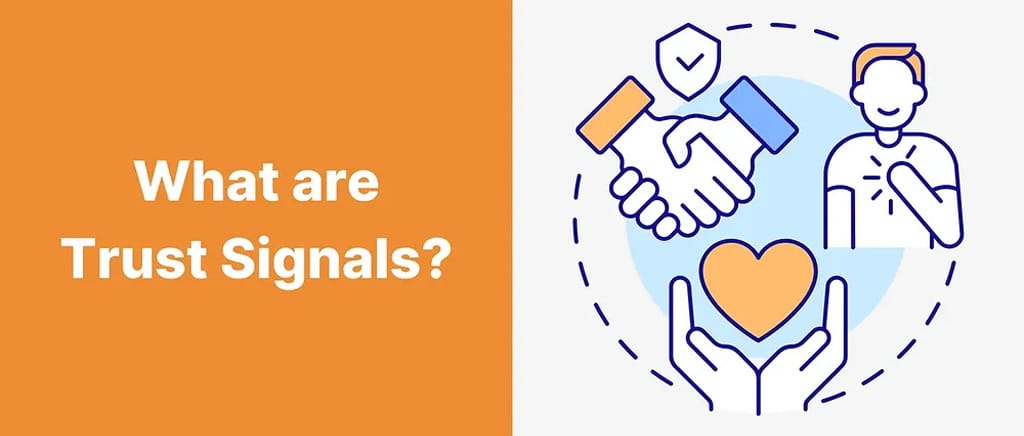
Trust Signals in Legitimate US Tobacco Stores
In today’s nicotine market, especially in the United States, buyers are no longer asking just one question:
“What product should I buy?”
They’re asking something much deeper:
“Can I trust this store at all?”
This shift has changed everything.
Because in a space where regulations are strict, payment methods are limited, and delivery chains are complex, trust becomes the primary currency. Whether someone is browsing premium cigarettes like Davidoff Gold or considering established options like Parliament Night Blue, the final decision is rarely about the product itself.
It’s about confidence in the platform.
This article breaks down exactly how users identify legitimate tobacco stores in the U.S., what signals they look for, and how these signals directly impact conversion, retention, and long-term growth.
Quick Answer
Legitimate tobacco stores in the U.S. build trust through clear legal positioning, consistent availability, transparent communication, age verification, and predictable user experience. Buyers rely on these signals to reduce risk and make confident purchasing decisions.
Who This Guide Is For
• E-commerce owners in the nicotine or tobacco niche
• SEO specialists working in restricted markets
• Entrepreneurs targeting U.S. buyers
• Anyone building long-term trust-based online businesses
If you’re operating in this space, understanding trust signals is not optional — it’s your competitive advantage.
Why Trust Matters More in Tobacco E-Commerce
Let’s be direct:
Buying tobacco online in the U.S. is not a normal e-commerce experience.
Buyers face:
• Legal uncertainty
• Payment limitations
• Delivery concerns
• Authenticity doubts
Because of this, every purchase decision is filtered through one lens:
👉 “Is this safe?”
Risk Perception Is Higher Than Average
Compared to other industries, tobacco buyers are:
• More cautious
• More skeptical
• More experienced with unreliable stores
This creates a unique dynamic:
👉 Even small trust signals have a massive impact
Core Trust Signals Buyers Look For
Let’s break down the exact signals that define legitimacy.
1. Clear Legal Positioning
One of the first things users evaluate is:
• Does this store understand regulations?
• Does it present itself as compliant?
This doesn’t mean full legal explanation — but it does mean:
✔️ Structured content
✔️ Clear policies
✔️ Logical product categorization
For example, a well-organized category like cigarettes section immediately signals professionalism and structure.
2. Age Verification Systems
This is one of the strongest trust signals in the entire funnel.
A legitimate store:
• Acknowledges legal restrictions
• Implements age control
• Does not ignore compliance
3. Consistent Product Availability
As discussed in earlier analysis, availability itself is a trust signal.
When users see:
• Stable listings
• No constant “out of stock”
• Predictable supply
They assume:
✔️ Strong logistics
✔️ Real operations
✔️ Long-term reliability
This is one of the fastest ways to differentiate from low-quality competitors.
Trust Is Built Before the Product
Here’s a critical insight:
Users decide whether they trust your store before they evaluate your products.
That means:
• Your structure matters
• Your pages matter
• Your signals matter
More than:
• Price
• Brand
• Even product quality (at first glance)
The Role of First Impression
When a user lands on your site, they subconsciously scan for:
• Organization
• Clarity
• Consistency
If anything feels off:
• Missing pages
• Broken structure
• Weak signals
👉 Trust drops instantly
And once lost, it’s very hard to recover.
How Trust Connects With Legality
In the U.S., trust and legality are closely connected.
Buyers want to know:
• “Is this allowed?”
• “Will my order go through?”
• “Am I taking a risk?”
This is why educational content plays a huge role, such as what makes a tobacco product legal to buy online in the USA.
It doesn’t just inform — it reassures.
Trust vs Conversion: The Direct Link
Let’s simplify the relationship:
• Low trust → high hesitation → low conversion
• High trust → low hesitation → high conversion
There is no shortcut here.
You cannot compensate for low trust with:
• Discounts
• Aggressive offers
• Marketing tricks
Use Case: First-Time Buyer Behavior
A first-time visitor typically:
1. Lands on the site
2. Scans for trust signals
3. Evaluates risk
4. Decides whether to continue
If trust signals are weak:
👉 The user exits without interacting
Expert Insight
If you want to increase conversions in this niche, don’t ask:
“How do I sell better?”
Ask:
“What makes a buyer feel safe here?”
Because safety = trust
And trust = revenue
The 5-Second Trust Test
Within the first few seconds, buyers scan for:
• Clear navigation
• Recognizable product categories
• Logical structure
• Signs of compliance
If your homepage (TobaccoBase) passes this test, the user continues.
If not — conversion is already lost.
Layered Trust Model
Trust is not one signal — it’s a stack.
Let’s break it down into layers.
Layer 1: Surface Trust (Visual & Structure)
This includes:
• Clean layout
• Organized categories
• Consistent product pages
For example, when users see a structured section like a dedicated cigarettes catalog, it signals:
✔️ Real business
✔️ Product focus
✔️ Professional setup
Layer 2: Functional Trust (Does It Work?)
Users test:
• Do pages load correctly?
• Are products accessible?
• Is navigation smooth?
Even small issues create doubt.
In restricted niches, technical friction = trust loss.
Layer 3: Compliance Trust (Is It Legit?)
This is where things get serious.
Users want to see:
• Age restrictions
• Policy awareness
• Legal acknowledgment
This is reinforced by elements like age verification systems, which act as a psychological safety net.
Layer 4: Product Trust (Is This Authentic?)
At this stage, users evaluate:
• Product legitimacy
• Brand familiarity
• Real-world credibility
Layer 5: Operational Trust (Will It Actually Arrive?)
This is the final barrier.
Users ask:
• Will my order be delivered?
• Is this store consistent?
• Can I rely on it long-term?
This is where trust either converts into a purchase — or collapses.
Trust Signals at Each Funnel Stage
Let’s connect trust to the actual buying journey.
Stage 1: Entry (First Visit)
User focuses on:
• Structure
• Clarity
• Legitimacy
Key signals:
• Homepage quality
• Category organization
• Professional presentation
Stage 2: Exploration
User starts browsing:
• Products
• Categories
• Content
This is where:
• Internal consistency matters
• Product availability matters
• UX smoothness matters
Stage 3: Validation
User looks for confirmation:
• “Is this site real?”
• “Do others use it?”
• “Is it safe to proceed?”
This is where educational and supporting content becomes critical, such as what to expect from a professional nicotine platform.
These pages don’t just inform — they validate.
Stage 4: Decision
Now the user is ready — but still cautious.
They evaluate:
• Risk vs reward
• Trust vs uncertainty
If trust signals are strong:
👉 Purchase happens
If not:
👉 Exit
Micro-Signals That Influence Trust (Advanced Insights)
Let’s go deeper into subtle signals most people ignore.
1. Consistency Across Pages
If one page feels professional and another feels weak:
👉 Trust drops instantly
Users expect uniform quality.
2. Predictability of Experience
Buyers want to feel:
• In control
• Informed
• Safe
If anything feels unpredictable:
👉 They hesitate
3. Absence of Red Flags
Sometimes trust is not about what you show — but what you avoid.
Examples of red flags:
• Broken pages
• Missing information
• Inconsistent product listings
• Overly aggressive messaging
4. Logical Content Structure
When users see content that explains:
• How the system works
• What to expect
• How legality applies
They relax.
Because confusion is replaced with clarity.
Trust vs Risk: The Hidden Equation
Every buyer subconsciously calculates:
Perceived Value – Perceived Risk = Decision
Trust reduces risk.
The lower the risk:
👉 The easier the decision
Example
Even if a product is attractive:
• High risk → no purchase
• Low risk → purchase
This is why trust signals are more powerful than discounts.
We’ve now broken down:
• Real-time trust evaluation
• Layered trust signals
• Buyer psychology across the funnel
In Part 3, we’ll move into execution:
• How to build a high-trust store step-by-step
• What to prioritize first
• How to outperform competitors using trust as your main advantage
This is where strategy turns into dominance.
Trust vs Risk: The Core Equation
Every buyer subconsciously calculates:
Perceived Value – Perceived Risk = Decision
Trust reduces risk.
Lower risk → faster decisions → higher conversions
The Role of Legal Understanding
In the U.S., legality and trust are tightly connected.
Buyers want clarity on:
• What is allowed
• What is safe
• What to expect
This is why content like what makes a tobacco product legal to buy online in the USA plays a crucial role.
It transforms uncertainty into confidence.
Trust and Long-Term Customer Behavior
Trust compounds over time.
Positive Scenario
• First purchase goes smoothly
• Expectations match reality
• Trust increases
Result:
👉 User becomes repeat customer
Negative Scenario
• Something feels off once
Result:
👉 User disappears permanently
Expert Insight
In this niche, trust is not a feature.
It is the foundation of the entire business model.
You are not just selling products — you are reducing risk.
Transition to Part 3
Now that we’ve covered:
• Real-time trust evaluation
• Layered trust signals
• Buyer behavior across the funnel
In Part 3, we’ll move into execution:
• How to build a high-trust platform
• What signals matter most for conversions
• How to outperform competitors using trust as your core advantage
This is where theory turns into real strategy.
How Buyers Evaluate Trust in Real Time
Trust is not built in one moment — it’s formed through a sequence of micro-evaluations that happen within seconds.
When a user lands on a tobacco store, they don’t consciously analyze everything. Instead, they instinctively ask:
• Does this look structured?
• Does this feel legitimate?
• Is there risk here?
If anything feels off — even slightly — the session ends immediately.
The 5-Second Trust Test
Within the first few seconds, buyers scan for:
• Clear navigation
• Logical structure
• Recognizable product categories
• Signs of compliance
If a platform like TobaccoBase presents a clean and structured environment, the user continues exploring.
If not — the conversion is already lost.
Layered Trust Model
Trust is not a single signal. It’s a layered system.
Layer 1: Surface Trust (Visual & Structure)
Users first evaluate:
• Layout clarity
• Category organization
• Professional presentation
A structured category like the cigarettes section instantly signals:
✔️ Real business
✔️ Clear specialization
✔️ Operational seriousness
Layer 2: Functional Trust (Does It Work?)
Next, users test the platform:
• Do pages load correctly?
• Is navigation smooth?
• Are products accessible?
Even minor friction creates doubt.
In restricted niches, technical issues are interpreted as risk signals.
Layer 3: Compliance Trust (Is It Legit?)
This is one of the strongest decision factors.
Buyers look for:
• Legal awareness
• Age restrictions
• Responsible positioning
A clear system like age verification immediately increases confidence because it shows the platform operates within expected boundaries.
Layer 4: Product Trust (Is This Authentic?)
At this stage, attention shifts to products.
Users evaluate:
• Brand familiarity
• Product credibility
• Recognition
Layer 5: Operational Trust (Will It Actually Arrive?)
This is the final and most critical layer.
Users ask:
• Will my order be delivered?
• Is this store reliable long-term?
• Can I depend on it for repeat purchases?
If the answer feels uncertain — conversion stops.
Trust Signals Across the Buying Journey
Let’s map trust to the actual funnel.






Add comment
You must be logged in to post a comment.