
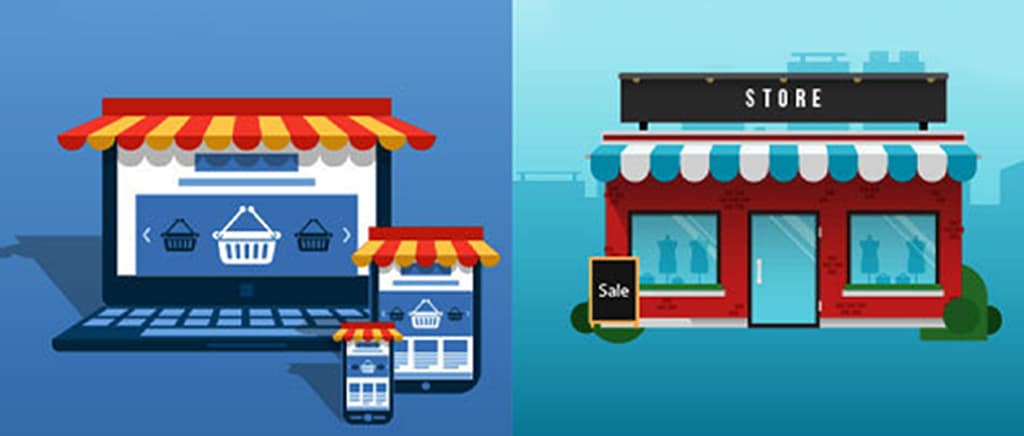
Online Nicotine Shopping vs Local Stores in the USA: Which Is Better?
Online Nicotine Shopping vs Local Stores in the USA
The way Americans buy nicotine products has changed significantly over the past decade. What was once a strictly local, store-based experience has evolved into a hybrid system where online platforms and physical retail coexist. For first-time and experienced buyers alike, the question is no longer where to buy—but how to choose between these two fundamentally different models.
Online shopping offers access, variety, and flexibility. Local stores provide immediacy and familiarity. Both options serve a purpose, but they operate under completely different rules. Understanding these differences is essential for making the right decision.
Platforms like TobaccoBase reflect this shift. Instead of being limited to what is available in a single location, users can now explore entire categories such as cigarettes and disposable vapes in one place, comparing options and making informed decisions.
The key difference is not just access—it is control. Online environments allow users to evaluate products before purchasing, while local stores often rely on immediate decisions.
Quick Answer — Online vs Local Stores
The difference between online shopping and local stores can be summarized in a few key points:
Online shopping:
• Wider product selection
• More time to compare
• Access to detailed product information
• Greater flexibility
Local stores:
• Immediate purchase
• Physical interaction with the product
• No waiting for delivery
• Familiar buying process
Neither option is universally better. The right choice depends on the user’s priorities—speed vs selection, convenience vs control.
Who This Guide Is For
Buyers Navigating Modern Options
This guide is designed for:
• First-time online buyers
• Users transitioning from local stores
• Price-conscious consumers
• Those looking for better product availability
It is especially relevant for users who want to understand how buying methods affect the overall experience.
Product Availability — The Biggest Difference
Limitations of Local Stores
Local stores operate within physical constraints. Shelf space is limited, and product selection is often restricted to the most popular or profitable items.
This means that many products are simply not available in-store. Even within a single category, the variety is significantly reduced.
For example, a local shop may carry a few disposable options, but not the full range of devices available online.
Online Access and Variety
Online platforms remove these limitations. Users can access a broader range of products, compare specifications, and choose based on preference rather than availability.
Products such as Elf Bar Pi9000 and Lost Mary OS5000 are part of a larger ecosystem where variety plays a key role in decision-making.
This expanded access is one of the main reasons why online shopping continues to grow.
Decision-Making Process
Impulse vs Informed Choice
Local store purchases are often driven by speed. Users enter, choose quickly, and complete the transaction. This convenience comes at the cost of limited information.
Online shopping changes this dynamic. Users can:
• Compare products
• Read descriptions
• Evaluate options
This leads to more informed decisions and reduces the likelihood of choosing the wrong product.
The Role of Information
Information is a major advantage of online platforms. Product descriptions, comparisons, and reviews provide context that is not available in most local stores.
Understanding how to interpret this information is essential. Resources like how to read product descriptions correctly help users avoid common mistakes and make better decisions.
Pricing and Perceived Value
Local Pricing Structure
Local store pricing is influenced by overhead costs such as rent, staffing, and location. These factors can lead to higher prices or limited promotional flexibility.
In addition, local stores may not always offer the same range of pricing options, especially for less common products.
Online Price Transparency
Online platforms provide more transparency. Users can compare prices across products and understand what they are paying for.
This does not always mean lower prices, but it does mean better visibility. Users can make decisions based on value rather than assumption.
Transition to Deeper Analysis
At this stage, the core difference between online shopping and local stores becomes clear: one offers speed, the other offers control.
In the next part, we will explore real-world buying behavior, how users adapt to each model, and what actually determines long-term satisfaction when choosing between online and local purchasing.
Real-World Behavior — How Americans Actually Buy
Blended Habits, Not Either/Or
In practice, most buyers in the U.S. don’t choose exclusively between online and local stores—they combine both. The pattern is simple: local stores for immediacy, online for planning. This hybrid behavior reflects a trade-off between speed and control.
A typical cycle looks like this: a user relies on a nearby store when they need something immediately, then shifts online to restock, compare options, or try something new. Over time, this creates a rhythm—urgent purchases offline, considered purchases online.
Speed vs Control in Daily Use
Local Stores — Immediate Satisfaction
Local retail wins on speed. There’s no waiting, no shipping window, and no planning required. For many users, that immediacy is critical—especially when supply runs out unexpectedly.
However, this speed comes with constraints. Selection is limited, and decisions are often made quickly with minimal information. The result is convenience, but not always optimal choice.
Online — Structured Decision-Making
Online shopping introduces structure. Instead of reacting, users can plan. They review options, compare formats, and choose based on specific needs rather than availability at a single location.
This structure reduces mistakes over time. Buyers who consistently use online channels tend to develop clearer preferences because they engage with more information before purchasing.
For a broader view of how U.S. consumers navigate these decisions, see how Americans buy nicotine products online today.
Availability as a Decision Driver
Why Stock Matters More Than Price
Availability is often a stronger driver than price. A product that cannot be found locally forces a decision: substitute or switch channels. Many users choose to go online specifically to avoid substitutions.
This is especially relevant for products with high demand or limited local distribution. Online platforms reduce the risk of “settling” for what’s on the shelf.
Avoiding Substitution Errors
Substitution is one of the most common sources of dissatisfaction. When a preferred item isn’t available, users pick a similar-looking alternative that may behave differently.
Understanding how availability shapes these choices is critical. Resources like how availability affects buying decisions explain why access often determines outcomes more than price or branding.
Product Experience — Consistency Over Time
Repeatability vs One-Off Purchases
Local purchases can be inconsistent if stock varies by visit. This makes it harder to maintain a stable routine, especially for users who prefer the same product over time.
Online shopping improves repeatability. Once a user finds the right product, reordering becomes straightforward. This stability reduces friction and improves long-term satisfaction.
Learning Curve and Preference Building
Online environments accelerate the learning curve. With access to detailed information and broader selection, users refine preferences faster. They understand differences in formats, strengths, and performance.
In contrast, local-only buyers often rely on trial-and-error with limited options, which slows down preference development.
Cost Management in Practice
Perceived Savings vs Actual Value
While many assume online is cheaper, the reality is more nuanced. Online provides price visibility and comparison, which helps users avoid overpaying. Local stores may have fixed pricing with fewer opportunities to compare.
However, value is not only about price. Consistency, availability, and reduced switching also affect overall cost over time. Avoiding repeated “wrong” purchases can matter more than small per-item savings.
Planning vs Impulse Spending
Online shopping encourages planning—bulk purchases, scheduled reorders, and deliberate selection. This often leads to more predictable spending.
Local stores, by contrast, are more prone to impulse decisions.
The convenience of immediate purchase can lead to less optimized choices, especially when selection is limited.
Logistics, Trust, and Friction
Shipping and Delivery Considerations
The main trade-off with online shopping is delivery. Waiting times, shipping windows, and policies all influence the experience. Clear expectations reduce uncertainty.
Understanding the process—timelines, handling, and delivery terms—helps users avoid friction. This is where operational transparency becomes important.
Reliability and Repeat Purchases
Trust determines whether users return. A smooth first experience—accurate product, predictable delivery, clear communication—creates confidence and leads to repeat behavior.
Once trust is established, online often becomes the default for planned purchases, while local stores remain a backup for immediate needs.
When Each Model Works Best
Local Stores — Best Use Cases
Local retail is most effective when:
• You need a product immediately
• You already know exactly what you want
• Availability is consistent at your location
In these cases, speed outweighs the benefits of comparison.
Online — Best Use Cases
Online works best when:
• You want to compare options
• You’re trying new products
• You value consistent reordering
• Availability is limited locally
Here, control and access outweigh the delay.
Transition to Final Decision
At this point, the difference is clear: local stores optimize for speed, while online platforms optimize for control and consistency. Most users benefit from combining both approaches, using each where it performs best.
In the final part, we’ll turn this into a clear decision framework—how to choose the right channel for each situation, how to minimize mistakes, and how to build a reliable long-term buying strategy.
Online as the Primary Channel
For most users, online shopping becomes the primary channel over time. It offers:
• Better selection
• More information
• Greater consistency
This makes it ideal for building long-term habits and maintaining a stable supply.
Local Stores as Support
Local stores remain important, but their role shifts. They become a support system rather than the main source.
This allows users to rely on them when needed without being limited by their constraints.
Final Thoughts — Choosing Smart, Not Fast
Online shopping and local stores are not competitors—they are complementary tools. Each has strengths and limitations, and the best results come from using them together.
The mistake is trying to find a single “best” option. The reality is that the best strategy is situational.
The Key Takeaway
Use local stores for speed. Use online platforms for control. When you combine both, you create a system that minimizes mistakes and maximizes consistency.








Add comment
You must be logged in to post a comment.